DGNM Annual Meeting 2026
The Annual Meeting 2026 of the German Society for Neurogastroenterology and Motility e.V. will take place from 20 - 22 February 2026 in Freising near Munich. We are very much looking forward to welcoming you!
Save the date
Preparations for 2026 are in full swing and we look forward to an outstanding national and international programme in neurogastroenterology and motility!
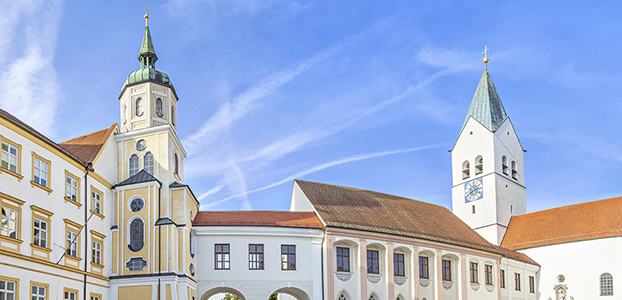
The Annual Meeting of the German Society for Neurogastroenterology and Motility (DGNM) will take place in Freising, a charming university town just north of Munich. With its historic old town, vibrant academic scene, and excellent accessibility via Munich Airport, Freising offers an ideal setting for scientific exchange and networking. Abstract submission and registration are now open! We look forward to your contributions and participation.
The venue in Freising is the Palottihaus, Pallottinerstraße 2 in 85354 Freising.
Report
Annual Meeting 2026
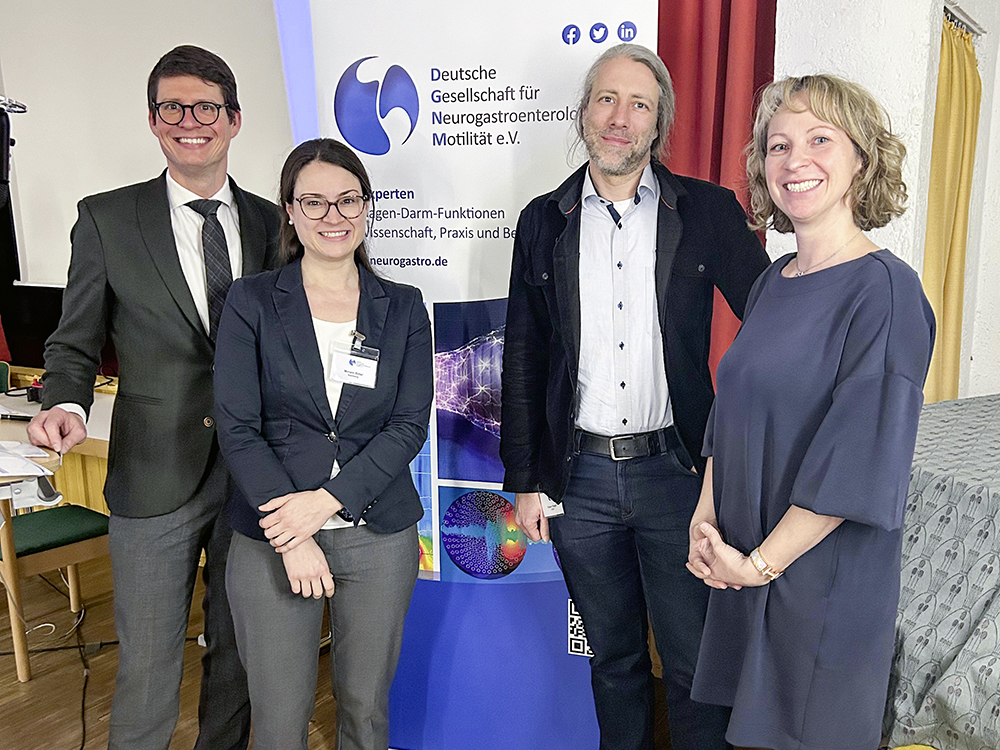
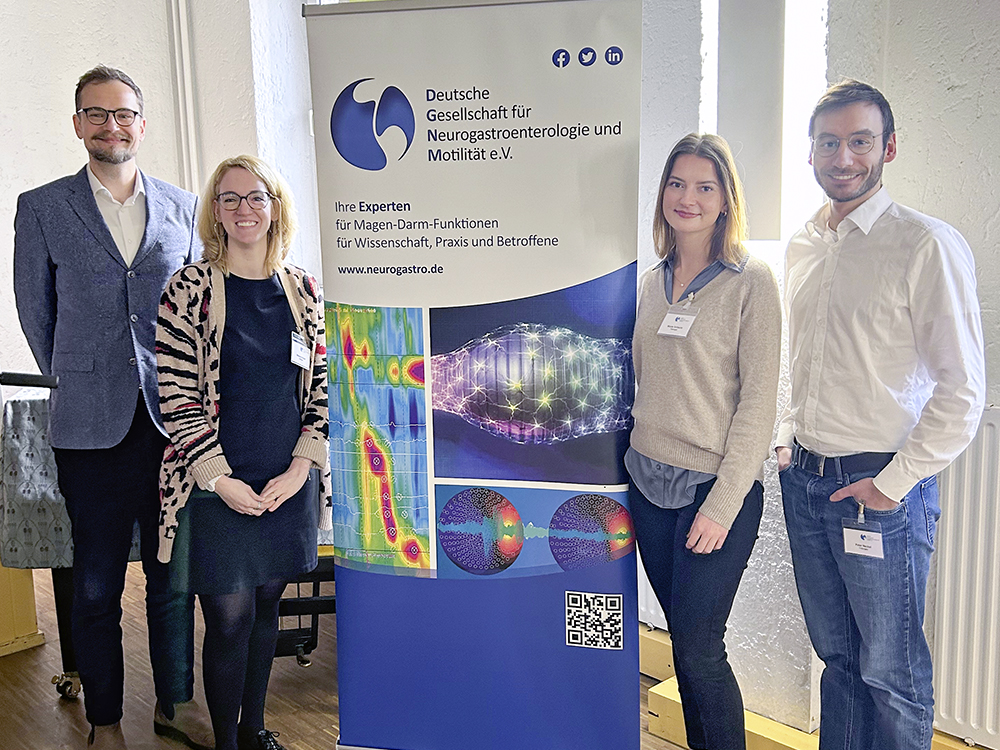
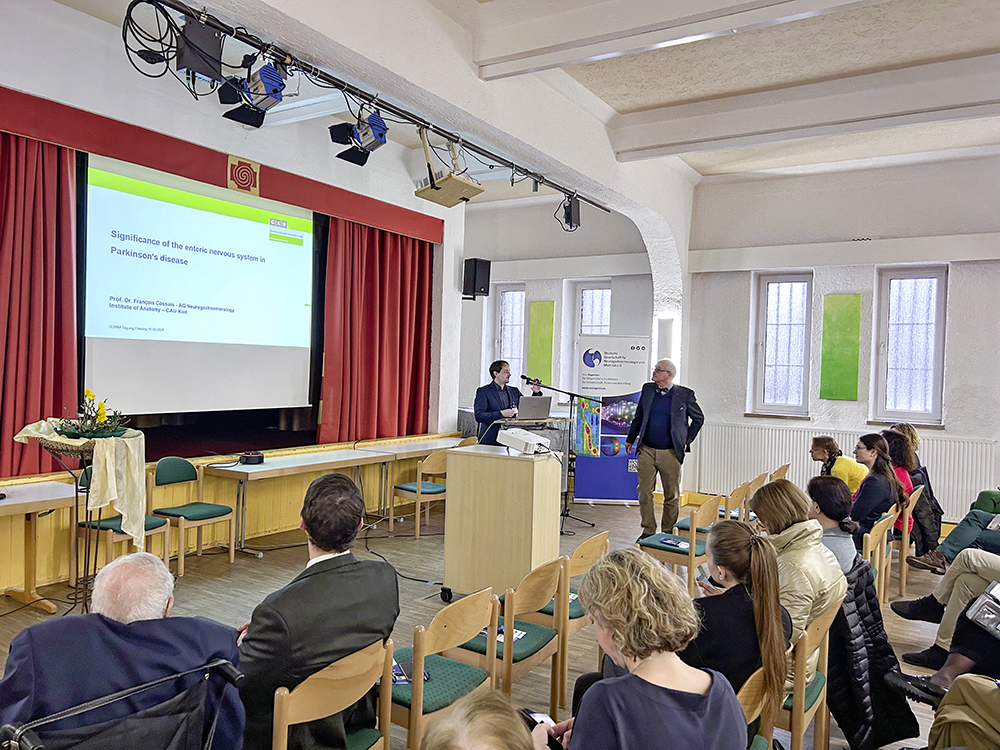
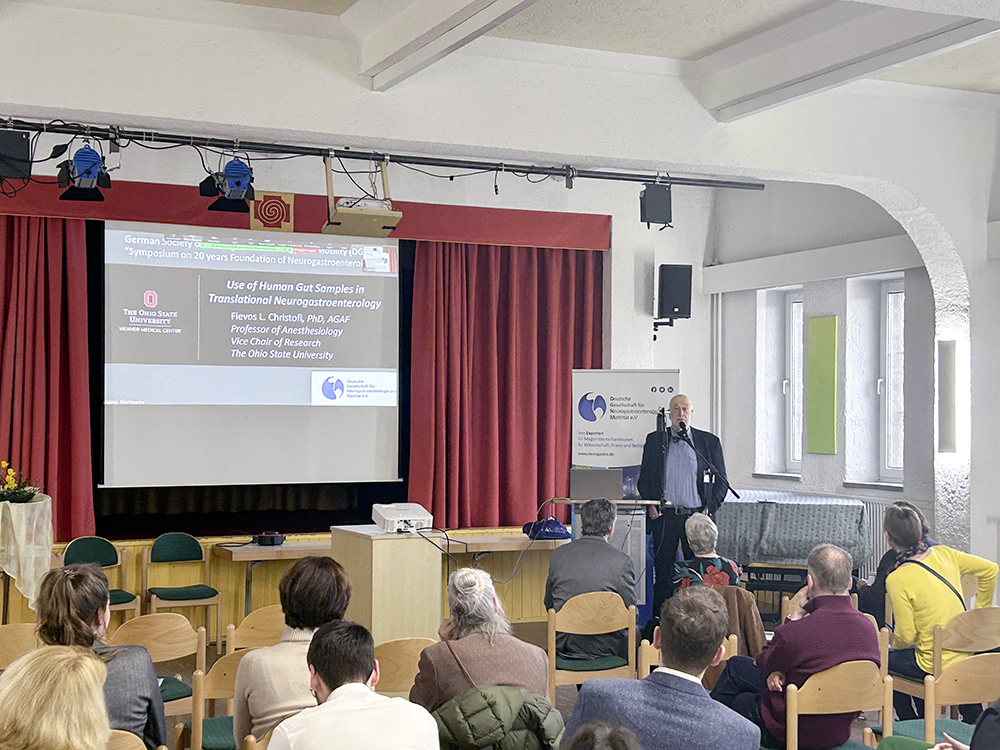
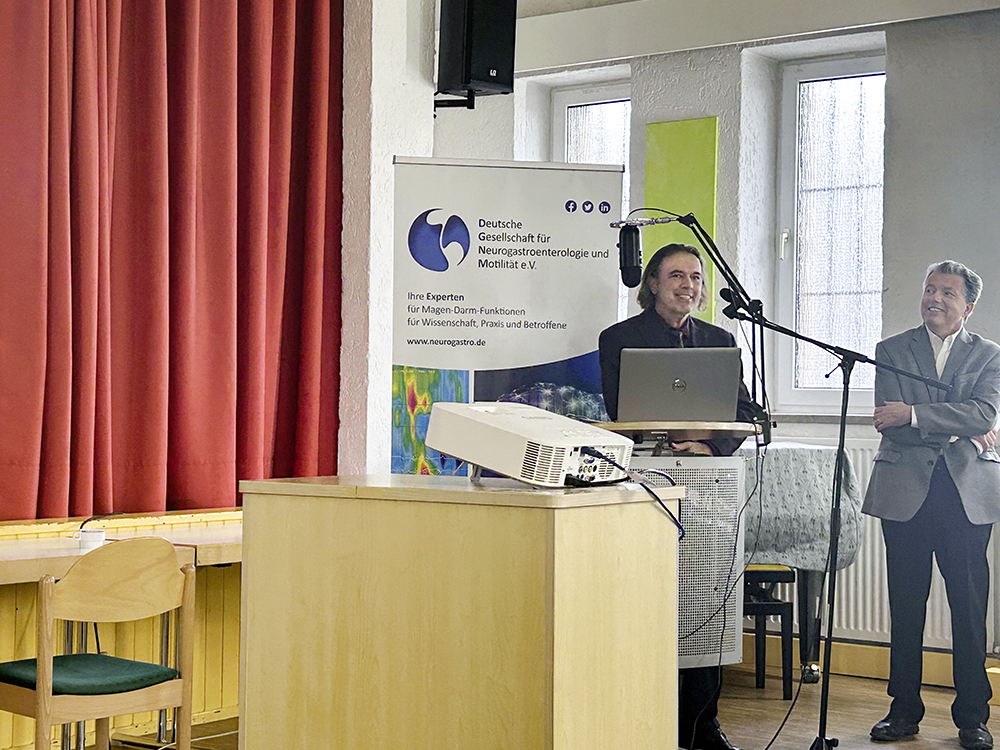
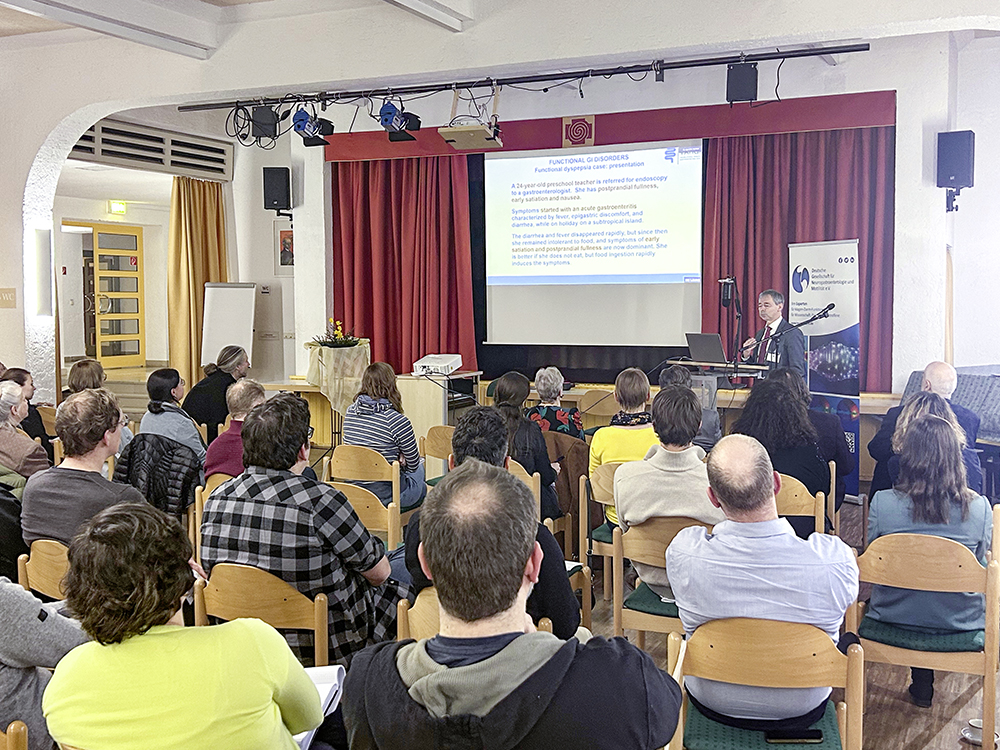
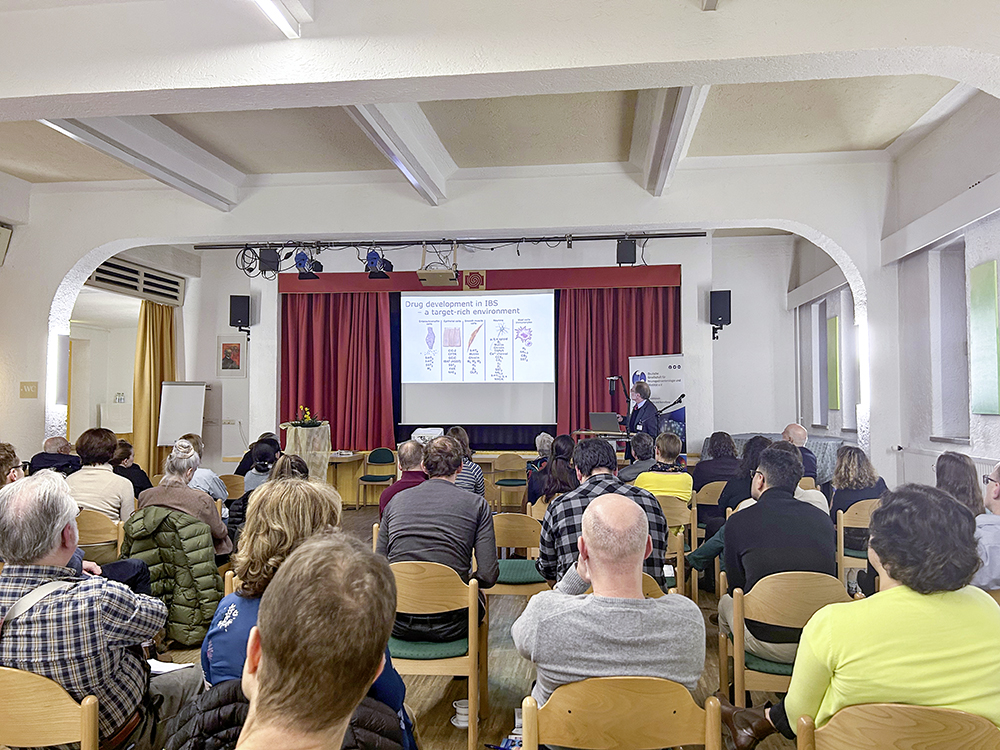
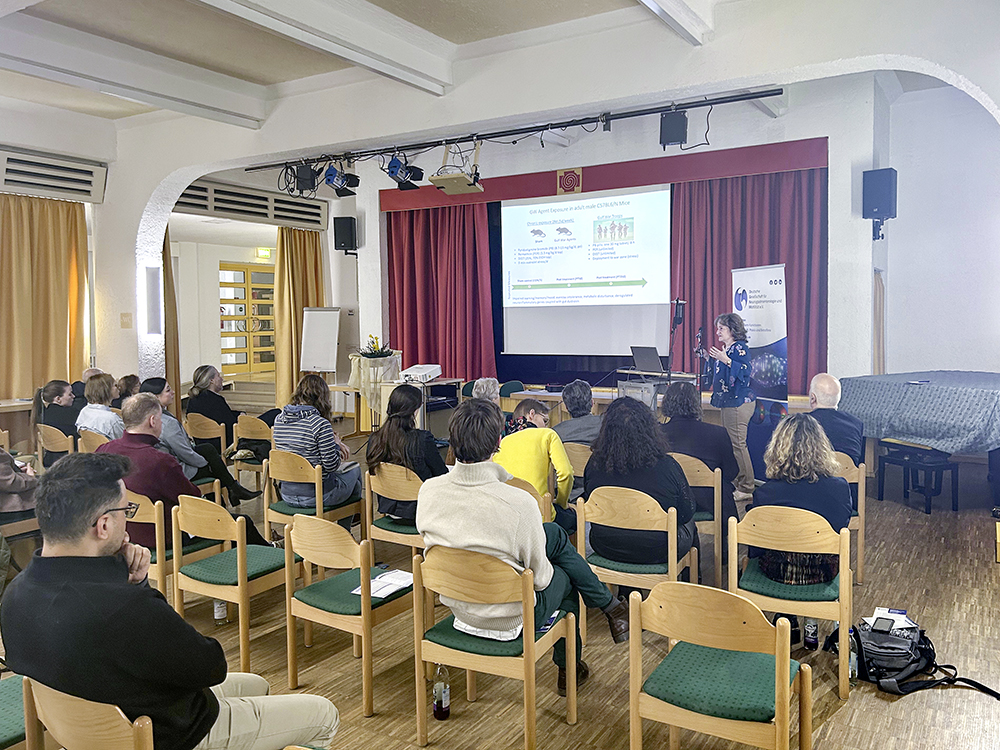
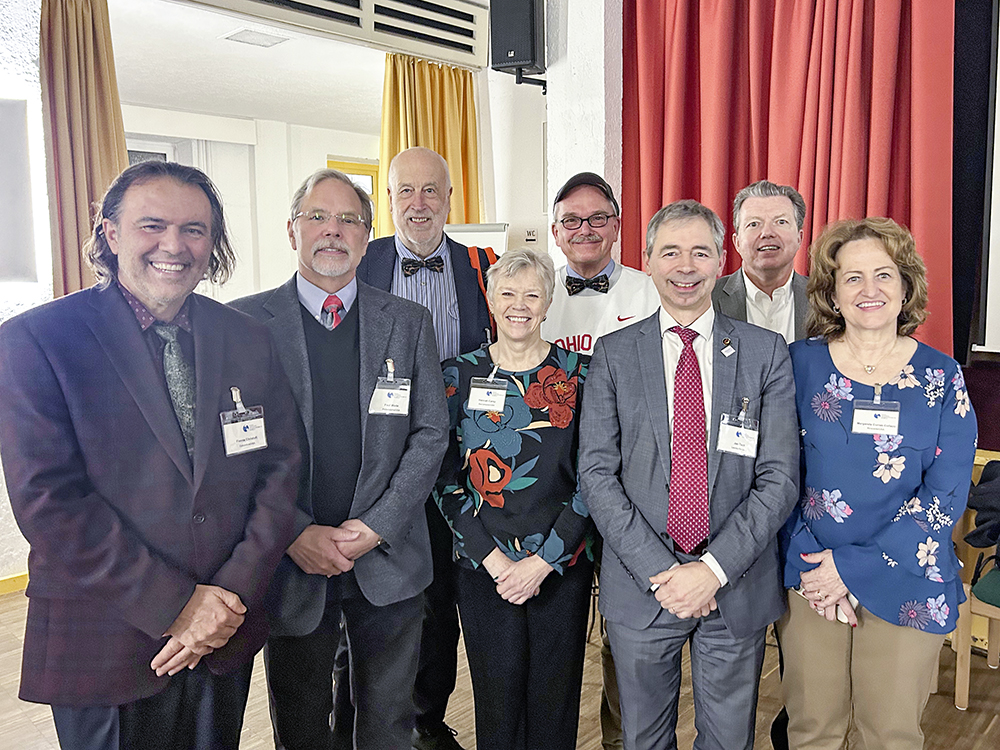
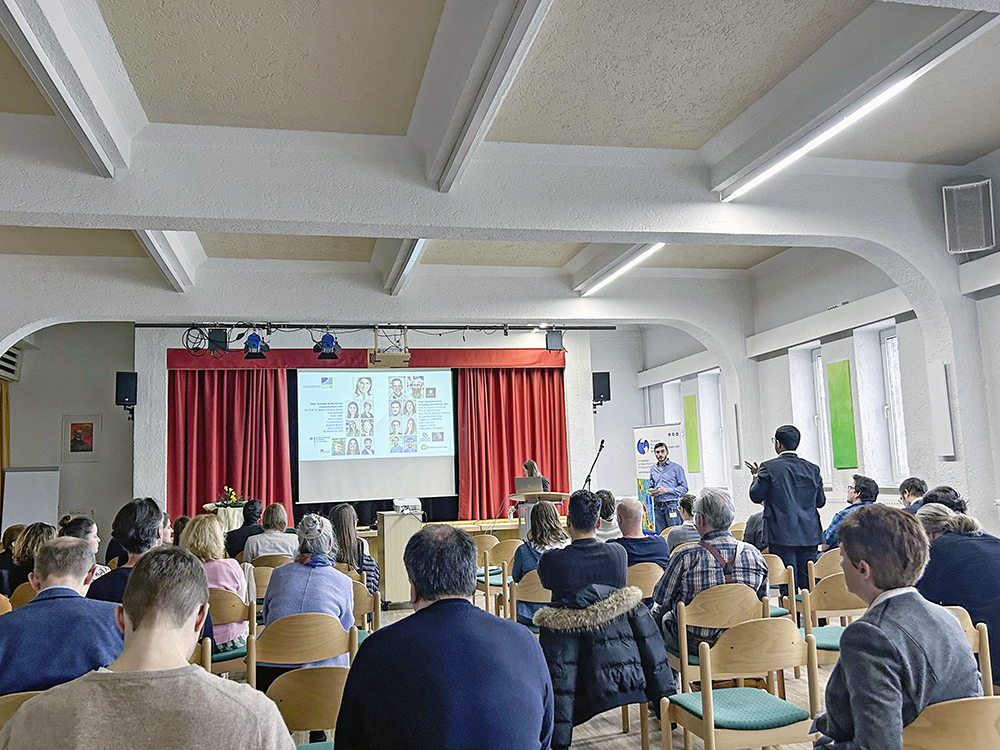
The 33rd Annual Meeting of the German Society of Neurogastroenterology and Motility (DGNM), held from 20-22 February 2026 at the Pallotti House in Freising, brought together a large number of participants from basic research, translational science, and clinical gastroenterology. A particularly positive aspect of this year’s meeting was the strong international participation: colleagues from multiple countries contributed high-quality presentations, substantially enriching scientific discussion and strengthening international exchange.
The meeting featured 28 oral presentations across six scientific sessions, complemented by the neurogastroenterology prize lecture and the Lüderitz Lecture. The scientific program reflected the full spectrum of modern neurogastroenterology, ranging from cutting-edge basic research through translational approaches to clinical investigations. Core topics included morphology and function of the enteric nervous system, microbiome-related, immunological and neurobiological signaling pathways, motility disorders and irritable bowel syndrome, inflammation and pancreatic diseases, as well as the pathophysiology, diagnosis, and treatment of disorders of gut-brain interaction (DGBI). Most presentations were delivered by early-career researchers, who presented their ongoing projects at a high scientific level and stimulated lively discussion.
Scientifically, the program was characterized by an exceptional breadth of themes, integrating fundamental mechanistic insights into the gut-brain axis with microbiome-related, immunological, and neurobiological concepts, and their translational and clinical implementation. Novel data were presented on the neurobiological relevance of hormonal and microbial signaling pathways, including microbial metabolites such as p-cresol, as well as on the role of the microbiome, dietary components (e.g., milk), and the enteric nervous system in neurological and systemic diseases such as amyotrophic lateral sclerosis (ALS) and multiple sclerosis, and in motility disorders, including achalasia. Additional highlights included neuro-immune and neuro-epithelial signaling networks in intestinal inflammation and pancreatic diseases, as well as the translational potential of emerging biomarkers, such as soluble PD-L1 in postoperative ileus and fecal supernatants in irritable bowel syndrome.
The clinical program built on these concepts and presented current study data on dysphagia, reflux disease, and irritable bowel syndrome, including regional symptom variability and mechanism-based psychological interventions. Further clinical updates addressed gastroparesis, endoscopic innovations, and nutritional strategies, including phytotherapeutics and probiotics in DGBI. The clinical focus was complemented by modern surgical techniques and innovative digital approaches, including an app for the management of food intolerances and AI-enhanced diagnostics, functional analysis, and long-term monitoring in high-resolution manometry (HRM). Overall, the program convincingly spanned the spectrum from basic research to personalized, digitally supported patient care.
A particular highlight was the Research Prize Lecture in Neurogastroenterology, in which Dr. Kristin Elfers (Hannover) provided compelling insights into her current work on the role of the enteric nervous system at the gut-brain interface, highlighting the impact of aging, environmental factors, and translational neurogastrointestinal physiology. The Lüderitz Lecture, delivered by Prof. Misselwitz (Bern, Switzerland), focused on motility disorders in inflammatory bowel disease and provided an integrative perspective ranging from functional interactions and current prevalence data on IBS in IBD to therapeutic strategies and digital applications.
During the DGNM General Assembly, members were informed in detail about the ongoing activities of national and international societies. The meeting opened with a moment of remembrance for the late Mohamed Khayyal, a highly valued member and supporter of the DGNM. Updates were provided on successful core educational initiatives, including the MAGDA forum, which has evolved into a well-established patient information platform with growing digital reach, as well as the manometry course and the Certificate Course in Neurogastroenterology conducted in cooperation with the DGVS. In this context, sincere thanks were expressed to Prof. Thomas Frieling, who handed over leadership of the manometry course to Prof. Felix Gundling after 15 years of dedicated commitment.
In addition, key national and international neurogastroenterology conferences were highlighted. A review of successful 2025 formats, including the ESNM Meeting in London and nEUROgastro TANDEM, was combined with an outlook on upcoming events, such as Gut Microbiota for Health (14-15 March 2026, Porto), the ENS Development Meeting (7-10 April 2026, Leuven), Viszeralmedizin 2026 (14-19 September 2026, Hamburg; abstract deadline 30 April 2026), and Little Brain - Big Brain (LBBB) XIX (31 October-4 November 2026, Bogotá), followed by the Federation of Neurogastroenterology & Motility Meeting (5-7 November 2026, Bogotá; abstract deadline 1 June 2026). Active participation, particularly within DGVS and ESNM initiatives, was strongly encouraged.
Further key topics included early-career support, research development, ongoing and planned guideline projects, and initial conceptual discussions regarding the DGNM Annual Meeting 2027. The substantial voluntary engagement of all contributors was explicitly acknowledged.
At the heart of the meeting was the creation of space for personal exchange, networking, and close interaction between research and clinical practice. This spirit was set during the opening evening with a shared dinner and informal gathering in the historic cellar lounge. Numerous coffee breaks facilitated in-depth scientific discussion, and the exceptionally atmospheric social evening at Weißbräu Huber in Freising enabled extended personal exchange in a relaxed setting - fostering connections and friendships that will extend well beyond the annual meeting.
Overall, the 2026 Annual Meeting demonstrated how the diversity of neurogastroenterology - from molecular mechanisms and digital innovation to patient-centered clinical applications - can meaningfully contribute to improving care for the approximately 40% of individuals worldwide affected by disorders of gut-brain interaction (DGBI). The congress was characterized by an open, respectful, and warm atmosphere, marked by inspiring conversations and intensive networking between basic science and clinical medicine.
The next DGNM Annual Meeting will take place from 26-28 February 2027 at the Diakonieverein Zehlendorf in Berlin. The DGNM warmly invites active participation and looks forward to another year of exciting scientific contributions from the national and international neurogastroenterology community.
Cover photo competition 2026
Congratulations!
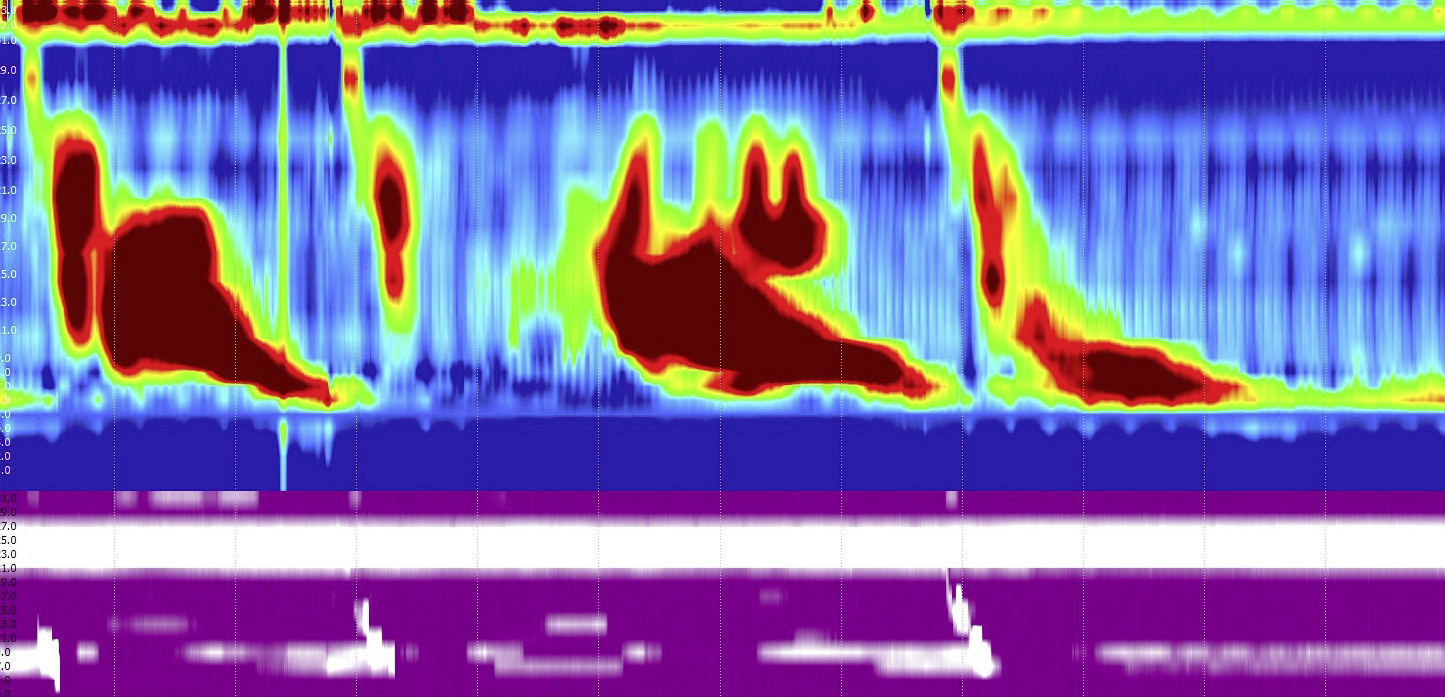
Every year, we search for the cover photo for the invitation to the next annual conference. The photo should provide an insight into the diverse spectrum of neurogastroenterology and motility. The winner will receive free admission to the annual conference and accommodation costs, including meals, will be covered (excluding travel costs).
This year, we would like to congratulate PD Dr Jutta Keller, specialist in internal medicine and gastroenterology, senior physician at the Medical Clinic at the Israelite Hospital in Hamburg and head of functional diagnostics and the day clinic.
Her photograph shows a high-resolution oesophageal manometry: hypertensive oesophageal spasm.